Welcome ! You are in the "home" SOON page of this website.
See what is going in a next future for the mini-network
Do not hesitate to visit other pages of the website by clicking on
the headers in the dark band on top of the screen :
" Objectives, Recently, Archives, Publications, etc"
See what is going in a next future for the mini-network
Do not hesitate to visit other pages of the website by clicking on
the headers in the dark band on top of the screen :
" Objectives, Recently, Archives, Publications, etc"
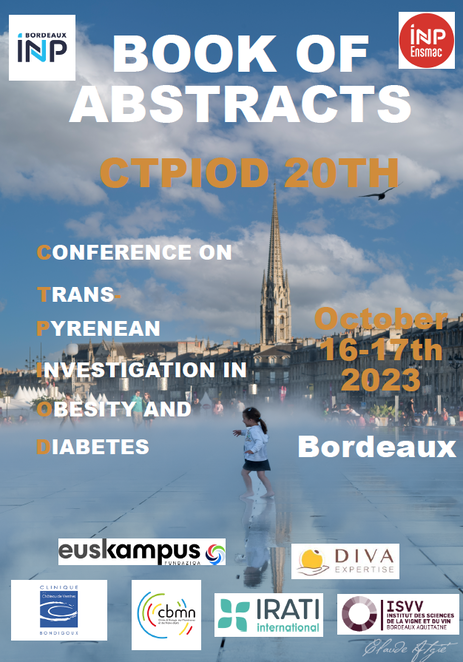
The next 21th Conference on Trans-Pyrenean Investigations in Obesity and Diabetes will be organized in Pamplona,
Univ. of Navarra, on 21-22 october 2024.
Further details will appear here in due time.
Note that the previous 20th CTPIOD meeting was held at:
Ecole Nationale Supérieure en Environnement, Géoressources et Ingénierie du Développement durable
Auditorium ENSEGID, Bordeaux INP, 33600 Pessac, on 16-17th October 2023
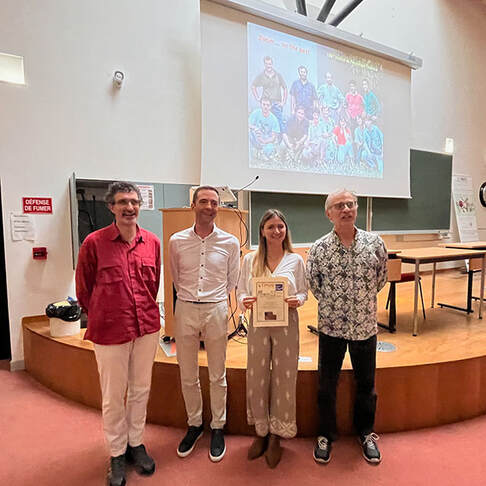
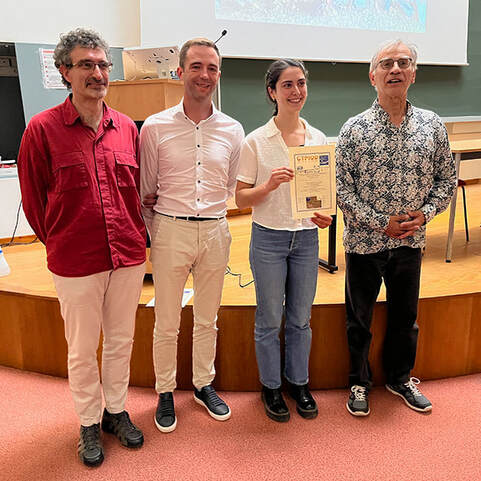
and selected two laureates for CTPIOD research awards:
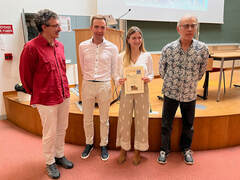
2023 CTPIOD Research Award of CLINIC RESEARCH is for Ana Luz TOBARUELA RESOLA (Pamplona)
2023 CTPIOD Research Award of BASIC RESEARCH is for Laura ARELLANO GARCIA (Vitoria)
The laureates have been selected by the evaluation committee, including:
Fermin MILAGRO (UNAV), Maria Puy PORTILLO (EHU), Stéphanie KRISA (UB), Christian CARPENE (I2MC), Mathieu DESPEAUX (Clinique de BONDIGOUX), Enrique ROCHE (Elche Univ), Fred CAPEL (INRAE), Arnaud COURTOIS (INP), Claude ATGIE (INP).
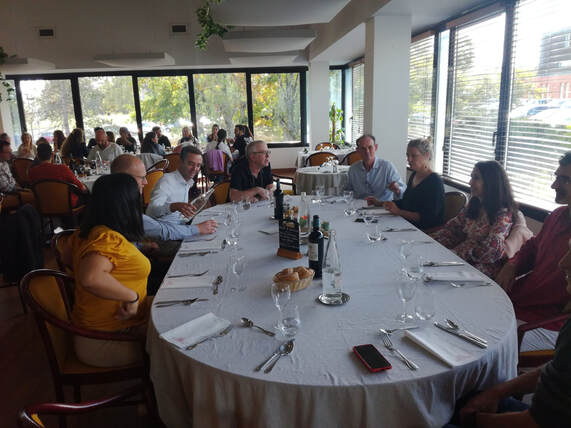
Below are the pictures of the laureates and a slideshow of the scientific and social programmes, followed by abstract list of the presented works
Univ. of Navarra, on 21-22 october 2024.
Further details will appear here in due time.
Note that the previous 20th CTPIOD meeting was held at:
Ecole Nationale Supérieure en Environnement, Géoressources et Ingénierie du Développement durable
Auditorium ENSEGID, Bordeaux INP, 33600 Pessac, on 16-17th October 2023
and selected two laureates for CTPIOD research awards:
2023 CTPIOD Research Award of CLINIC RESEARCH is for Ana Luz TOBARUELA RESOLA (Pamplona)
2023 CTPIOD Research Award of BASIC RESEARCH is for Laura ARELLANO GARCIA (Vitoria)
The laureates have been selected by the evaluation committee, including:
Fermin MILAGRO (UNAV), Maria Puy PORTILLO (EHU), Stéphanie KRISA (UB), Christian CARPENE (I2MC), Mathieu DESPEAUX (Clinique de BONDIGOUX), Enrique ROCHE (Elche Univ), Fred CAPEL (INRAE), Arnaud COURTOIS (INP), Claude ATGIE (INP).
Below are the pictures of the laureates and a slideshow of the scientific and social programmes, followed by abstract list of the presented works


Below are listed the abstracts, by order of oral presentation of the applicants.
Several of these works will be published next year as research articles in a future Special Issue 'SI CTPIOD' of the Journal of Physiology and Biochemistry (Springer Eds, IF >5), if whished by their authors and selected by the reviewing process used in this scientific Journal.
Papers from previous special issues 'CTPIOD' already released in press, together with cooperative articles from the consortium and indexed in PubMed or available on the net, are listed in the 'Publications' page of this website.
At the present time, these presented abstracts have to be considered as unpublished results
Introductory lecture: What’s new in diabetology and nutrition?
Pr. Vincent Rigalleau
CHU Bordeaux, Hôpital Haut-Lévêque, Département d'Endocrinologie, Diabétologie et Nutrition, Pessac, France.
Université de Bordeaux, UFR des Sciences médicales, Bordeaux, France.
Email: [email protected]
Session 1. Bioactive compounds in obesity and diabetes (1).
Chair: Milagro Fermin and Carpéné Christian
Effects of Opuntia extracts in rats fed with an obesogenic diet.
Gómez García I 1, Trepiana J1,2, Fernández-Quintela A1,2, Portillo MP1,2.
1 Nutrition and Obesity group, Department of Pharmacy and Food Sciences, Faculty of Pharmacy, University of the Basque Country and Lucio Lascaray Research Centre, Vitoria-Gasteiz, Spain.
2 CIBER Physiopathology of Obesity and Nutrition, Institute of Health Carlos III, Spain.
Email: [email protected]
Introduction: The products derived from Opuntia cactus are used in the pharmaceutical, food and cosmetic industries. Further, it has been observed that its extracts can have beneficial properties for prevention and treatment of certain disorders, such as obesity and type-2 diabetes1. These health-promoting properties are mainly due to their antioxidant and anti-inflammatory capacity, and attributed to the presence of high content of bioactive compounds, such as phenolic compounds, betalains, phytosterols and some polysaccharides and vitamins2.
Objective: The aim of this study was to analyse and to compare the beneficial effects of the extracts of two different Opuntia species in rats fed with an obesogenic diet. Methods: Rats were distributed into 6 experimental groups and fed either a standard or a high-fat high-sucrose diet supplemented or not with Opuntia stricta var. dillenii (OD) peel extract or Opuntia ficus-indica (OF) fruit extract at doses of 25 or 100 mg/kg/day, for 8 weeks. Serum glucose, total cholesterol, high-density lipoprotein (HDL) cholesterol, non-HDL cholesterol and triglycerides were measured.
Results: Opuntia extracts were not able to significantly prevent the body weight increase induced by the obesogenic diet. Nevertheless, a significant reduction was observed in visceral (epididymal and mesenteric) and subcutaneous fat pad weights in the group supplemented with OD extract (high dose) and OF extract (low dose), respectively. Furthermore, those same extracts at those same doses also reduced total adipose tissue weight. Regarding serum parameters, the group supplemented with OF extract at high dose was the one that most significantly improved triglycerides, HDL, non-HDL and total cholesterol serum levels in comparison with the obesogenic group. No changes were observed in serum glucose.
Conclusions: The results suggest that whereas the extracts from both Opuntia seem to be useful to prevent obesity, only one extract of OF is useful to prevent the altered serum lipid profile associated to obesity. Moreover, the effects of OF extracts on obesity or serum lipids depend on the extract concentration.
References:
1. Del Socorro Santos Díaz M. et al. (2017). Opuntia spp.: Characterization and Benefits in Chronic Diseases. Oxid Med Cell Longev. 2017:8634249. DOI: 10.1155/2017/863424.
2. Gómez-López, I. et al. (2021). Characterization, Stability, and Bioaccessibility of Betalain and Phenolic Compounds from Opuntia stricta var. Dillenii Fruits and Products of Their Industrialization. Foods. 10, 1593. DOI: 10.3390/foods10071593.
Novel Lactiplantibacillus plantarum and Lactobacillus alimentarius strains reduce fat accumulation and improve health markers on a C. elegans model.
Goyache I 1,2; Milagro FI 1,2,4,5; Virto R3; Valdés L3; Yavorov-Dayliev D1, 2; Aranaz P1,2,4.
1. University of Navarra, Faculty of Pharmacy and Nutrition, Department of Nutrition, Food Science and Physiology, Pamplona, Spain.
2. University of Navarra, Center for Nutrition Research, c/Irunlarrea 1, 31008 Pamplona, Spain.
3. CNTA, Ctra. NA-134 Km.53, 31570, San Adrián, Navarra, Spain.
4. Navarra Institute for Health Research, Pamplona, Spain.
5. Centro de Investigación Biomédica en Red de la Fisiopatología de la Obesidad y Nutrición, Instituto de Salud Carlos III, Madrid, Spain.
Email: [email protected]
Introduction: Probiotics are defined by the WHO as ¨live microorganisms which when administered in adequate amounts confer a health benefit on the host¨. The call for new approaches to prevent and treat metabolic syndrome-related diseases such as obesity has led to the research on the use of some lacto-fermentative probiotics like Lactobacilli, which have already been shown to palliate the negative consequences of these diseases.
Objectives: The aim of this study was to characterize possible benefiting effects of two different probiotic strains Lactiplantibacillus plantarum and Lactobacillus alimentarius in Caenorhabditis elegans.
Methods: C. elegans was used as an in vivo model to analyze the effect of both probiotics on fat accumulation, senescence, oxidative stress, and lifespan both on normal and high-glucose levels. To further characterize possible mechanisms of action several qPCRs were performed to analyze the expression of metabolism-related genes.
Results: The supplementation with both probiotics resulted in a reduction of fat accumulation under control and high-glucose conditions, a reduced accumulation of early senescence biomarker lipofuscin, an improved oxidative stress response, and an enhanced lifespan of the worms without affecting their proper development. The analysis of gene expression suggested that L. plantarum and L. alimentarius can modulate metabolic pathways by regulating the expression of key genes such as maoc-1 and daf-22. These results were further confirmed with the use of mutant C. elegans lacking expression of the genes of interest.
Conclusion: These preliminary results show health benefiting effects of both probiotics, L. plantarum and L. alimentarius, in C. elegans and further describe the possible mechanisms of action by which these strains could modulate its host´s metabolism and become useful in the prevention and treatment of metabolic syndrome- related diseases.
Effects of Gracilaria vermiculophylla dietary supplementation on hepatic steatosis in obese Zucker rats.
González-Arceo M 1, Aguirre L1,2,3, Portillo MP1,2,3, Gómez-Zorita S1,2,3.
1 Nutrition and Obesity Group, Department of Pharmacy and Food Science, Faculty of Pharmacy and Lucio Lascaray Research Center, University of the Basque Country, Vitoria-Gasteiz, Spain.
2 Bioaraba Health Research Institute, Vitoria-Gasteiz, Spain.
3 CIBER Physiopathology of Obesity and Nutrition, Institute of Health Carlos III, Spain.
Email: [email protected]
Nonalcoholic steatosis is characterized by an excessive lipid accumulation in the liver. Although it is considered a benign condition, prolonged hepatic lipid storage can lead to hepatocyte dysfunction [1]. In this context, noticeable attention has been paid in recent years to marine algae as a new natural source of bioactive molecules to prevent or treat fatty liver disease and its complications [2]. Bearing that in mind, the aim of the present study was to assess the effect of Gracilaria vermiculophylla on hepatic fat accumulation and its potential mechanism of action. Eighteen male, obese Zucker (fa/fa) rats were distributed into 2 experimental groups and fed either a standard diet (OC) or a standard diet supplemented with 2,5 % of dehydrated Gracilaria vermiculophylla (GV) for 6 weeks. Hepatic triglyceride and free fatty acid contents were determined spectrophotometrically using commercial kits. Total lipids were quantified by Oil Red O staining. Hepatic enzyme activities (FAS, MTP, CPT1a, ACO, CS) and protein expressions (pACC/total ACC, FATP2, AQP9, DGAT2, CHREBP, PGC1α, SIRT3, NRF1, TFAM) were determined spectrophotometrically and by western blot respectively. The comparison between groups was performed by Student’s t test (P<0.05). Alga supplementation reduced hepatic total lipids and free fatty acids, but not triglyceride accumulation. Regarding lipogenic enzymes, only FAS activity was reduced in GV group. The alga did not modify the activity of enzymes that reduce TG availability and that participate in fatty acid oxidation; however, NRF1 and TFAM protein levels involved in mitochondriogenesis were increased. In conclusion, under our experimental conditions, dietary supplementation with Gracilaria vermiculophylla decreased hepatic steatosis, considered as an accumulation of total lipid species, at least in part, by increasing mitochondrial biogenesis and thus, fatty acid oxidation and probably decreasing de novo lipogenesis.
1. Nassir, F., Rector, R. S., Hammoud, G. M., & Ibdah, J. A. (2015). Pathogenesis and Prevention of Hepatic Steatosis. Gastroenterology & hepatology, 11(3), 167–175
2. Wei, Q., & Guo, J. S. (2022). Developing natural marine products for treating liver diseases. World journal of clinical cases, 10(8), 2369–2381. https://doi.org/10.12998/wjcc.v10.i8.2369
Comparative effects of the administration of viable and heat-inactivated Lactobacillus rhamnosus GG in the prevention of diet-induced hepatic steatosis in rats.
Arellano-García L 1, Milton-Laskibar I1,2,3, Martínez JA2,4, Portillo MP1,2,3.
1 Nutrition and Obesity Group, Department of Pharmacy and Food Sciences, Faculty of Pharmacy, University of the Basque Country, Vitoria-Gasteiz, Spain.
2 CIBER Physiopathology of Obesity and Nutrition, Institute of Health Carlos III, Spain.
3 BIOARABA Institute of Health.
4 Precision Nutrition and Cardiometabolic Health, IMDEA-Food Institute (Madrid Institute for Advanced Studies).
Email: [email protected]
Non-alcoholic fatty liver disease (NAFLD) is the leading liver disease worldwide, with a prevalence of 25 % [1]. This condition, which encompasses a spectrum of liver alterations, has been considered as the hepatic manifestation of metabolic syndrome (MetS) as it is highly related to typical alterations featured by MetS patients, such as obesity or diabetes [2]. The consumption of Western diets is strongly associated not only with the development of NAFLD-related metabolic alterations, but also with gut microbiota dysbiosis [3]. The aim of this research project is to compare the efficacy of the administration of a parabiotic (heat-inactivated L. rhamnosus GG) with the administration of its probiotic of origin in the prevention of diet-induced hepatic steatosis.
To do so 36 male Wistar rats were randomly distributed in 4 groups (n = 9) and fed either a standard diet (C group) or a high-fat high-fructose diet alone (HFHF group), combined with a probiotic (L. rhamnosus GG, 109 CFU/day, PRO group) or with a parabiotic (heat-inactivated probiotic, same dose, PARA group).
The increased content of liver triglycerides observed in the HFHF group was efficiently prevented in the PRO group (p < 0.01), whilst the PARA group only showed a tendency towards lower levels (p = 0.1). In addition, PRO group showed lower protein expression of FATP2 compared to the HFHF group (p < 0.05). The enzymatic activity of FAS showed a tendency to decrease in the PRO group (p = 0.1), and a significant decrease in the case of the PARA group (p < 0.05). SREBP-1c protein expression tended to be lower in the PRO group (p =0.081) and was significantly decreased by parabiotic administration (p < 0.01). MTTP activity was significantly higher in PRO and PARA groups compared to the group receiving the steatotic diet alone (p < 0.01 and p < 0.05, respectively).
Based on the obtained results, administering the probiotic reduces liver triglyceride content. This reduction may be attributed to both decreased uptake of free fatty acids and a reduced rate of de novo lipogenesis. Therefore, administering live bacteria could be beneficial in preventing hepatic steatosis and seems more effective than using its inactivated counterpart.
References
1. Loomba, R., Friedman, S. L., & Shulman, G. I. (2021). Mechanisms and disease consequences of nonalcoholic fatty liver disease. Cell, 184(10), 2537–2564. https://doi.org/10.1016/j.cell.2021.04.015
2. Chalasani, N., Younossi, Z., Lavine, J. E., Charlton, M., Cusi, K., Rinella, M., Harrison, S. A., Brunt, E. M., & Sanyal, A. J. (2018). The diagnosis and management of nonalcoholic fatty liver disease: Practice guidance from the American Association for the Study of Liver Diseases. Hepatology (Baltimore, Md.), 67(1), 328–357. https://doiorg/10.1002/hep.29367
3. Fang, J., Yu, C. H., Li, X. J., Yao, J. M., Fang, Z. Y., Yoon, S. H., & Yu, W. Y. (2022). Gut dysbiosis in nonalcoholic fatty liver disease: pathogenesis, diagnosis, and therapeutic implications. Frontiers in cellular and infection microbiology, 12, 997018. https://doi.org/10.3389/fcimb.2022.997018
Interactions between grapevine stilbenes and their antioxidant and their anti-inflammatory activities.
Sy B, Krisa S, Richard T, Courtois A.
Univ. Bordeaux, Bordeaux Sci. Agro, Bordeaux INP, INRAE, OENO, UMR 1366, ISVV, Villenave d’Ornon, France.
Email: [email protected]
The identification, the physico-chemical characterization and the characterization of the biological effects of stilbenes (a family of polyphenols) from grapevines are our main research activities. The main objective of this work is to study the interactions between three stilbenes, resveratrol, ε-viniferin and vitisin B (a dimer and a tetramer of resveratrol, respectively) for their antioxidant and their anti-inflammatory activities in a cell-free model (FRAP and DPPH assays) and in a cellular model of LPS-stimulated macrophages (measurement of NO production). In an acellular model, resveratrol and ε-viniferin alone displayed strong antiradical activities, in contrast to vitisin B. When used in combination, and in particular the combination of resveratrol and ε-viniferin, this anti-radical activity becomes synergistic. The anti-inflammatory effects were studied in a macrophage model stimulated with LPS in order to induce the production of NO. Resveratrol and ε-viniferin alone have the capacity to inhibit NO production in a dose-dependent manner, demonstrating their anti-inflammatory activities. When used in combination, these two stilbenes also have a synergistic effect. In a second step, these antioxidant and anti-inflammatory effects were compared with those obtained with a stilbene-enriched vine shoot extract. The use of a mixture of polyphenols or a plant extract could therefore be beneficial to health insofar as they can interact synergistically.
Gracilaria vermiculophylla on the treatment of obesity and insulin resistance.
Carr-Ugarte H 1, Eseberri I1,2,3, Aguirre L1,2,3, Portillo MP1,2,3.
1 Nutrition and Obesity Group. Department of Pharmacy and Food Science, University of the Basque Country and Lucio Lascaray Research Institute, Vitoria-Gasteiz, Spain.
2 BIOARABA Health Research Institute, Vitoria-Gasteiz, Spain.
3 CIBERobn Physiopathology of Obesity and Nutrition, Institute of Health Carlos III, Vitoria-Gasteiz, Spain.
Email: [email protected]
Overweight and obesity are related to an excessive fat accumulation mainly associated to an energy imbalance given by dietary factors and sedentary lifestyles (1). In recent years, algae have received major attention in research because of their bioactive compound content. Algae are also high in protein content, which can reach up to 70% and polysaccharides found in algae, mainly consist of dietary fibre (2). Several studies have shown a variety of health benefits attributed to algae, including anti-obesity and anti-glycaemic effects, among others (3). The main objective of this research was to examine the beneficial effect of Gracilaria vermiculophylla (GV) in the treatment of obesity and insulin resistance in a genetically obese animal model. The effect of two doses of GV was analysed, being a supplementation of 2.5% and 5% of the diet. Thirty-six 8-week-old male Zucker fa/fa rats and ten lean rats where used. The treatment period was 6 weeks and rats were distributed in 5 different groups: control obese group (CO), low dose obese group (GL; 2.5%), high dose obese group (GH; 5%), control lean group (CL) and pair-fed group (PF). Animal body weight and food intake were measured every day. At the end of the experimental period, rats were sacrificed by exsanguination and serum and adipose tissue samples were obtained. Serum insulin, glucose and triglyceride levels were assessed using commercial kits and the expression of genes related to lipid metabolism in epididymal adipose tissue was analysed by Real-time polymerase chain reaction (RT-PCR). GV had no significant effect on reducing food intake, body weight or fat accumulation in rats. In addition, serum glucose, insulin and triglyceride levels remained unchanged, as well as the analysed gene expression in adipose triglyceride lipase (ATGL), hormone sensitive lipase (HSL) and acetyl-CoA carboxylase (ACC) in adipose tissue. Thus, under these experimental conditions, GV is not a useful tool in the treatment of obesity or insulin resistance.
References
1. World Health Organization [Internet]. [9 of June of 2021; consulted on: 8 of September of 2023]. Available: https://www.who.int/news-room/fact-sheets/detail/obesity-and-overweight.
2. Mark L. Wells, Phillippe Potin, James S. Craigie, John A. Raven, Sabeeha S. Merchant, Katherine E. Helliwell et al. Algae as nutricional and functional food sources: revisiting our understanding. J Appl Phycol [Internet]. 2017 [consulted on: 8 of September of 2023]; 29 (2): 949-982. Available: https://www.ncbi.nlm.nih.gov/pmc/articles/PMC5387034/.
3. Benoît Chénais. Algae and Microalgae and Their Bioactive Molecules for Human Health. Molecules [Internet]. 2021 (consulted on: 8 of September of 2023]; 26 (4): 1185. Available: https://www.mdpi.com/1420-3049/26/4/1185.
Identification of browning-inducing polyphenols in human adipocytes.
Pomares-Bri I, Micol V, Herranz-López M.
Design and Development of Bioactive Molecules Group, Institute of Research, Development, and Innovation in Healthcare Biotechnology in Elche, Miguel Hernández University, Alicante, Spain
Email: [email protected]
Background: Since the discovery of active adipose tissue in adult humans, the activation of brown adipocytes and the induction of beige adipocytes from white adipose tissue have emerged as a possible treatment to face obesity and its related metabolic disturbances1. Numerous evidences have shown that polyphenols modulate metabolism but the study of their browning effect in human models is limited.
Objective: The aim of this work is to select browning-inducing polyphenols on the humanS impson-Golabi-Behmel syndrome (SGBS)cell line as hypertrophic adipocytes.
Methods: Hypertrophic human SGBSadipocytes were obtained by 2-week incubation with 25 mM of glucose. 22 polyphenols (encoded fromP1 to P22) were screened with 48h-treatment on cell viability, triglyceride accumulation and oxidative stress using fluorescent probes. Protein expression of UCP-1 and SIRT1 were measured by Western Blot.
Results: 12 of polyphenols tested decreased triglyceride levels while 10 also decreased oxidative stress. Among them, P21, P20and P17showed at 100 µM a significative increase in UCP-1 expression (3.1±0.8, 2.6±1.0 and 2.0±0.6 fold-change, respectively) compared to non-treated hypertrophic adipocytes. P21also showed a significative increase in SIRT1 expression (2.1±0.8 fold-change).
Conclusions: P21, P20and P17increase UCP-1 expression in SGBS hypertrophic adipocytes. Their diet supplementations emerge as an alternative to manage obesity and its associated disturbances.
References
1.A. Kaisanlahti, T. Glumoff, Browning of white fat: agents and implications for beige adipose tissue to type 2 diabetes. J Physiol Biochem75, 1-10 (2019).
Antidiabetic, anti-obesity, and lifespan improving properties of Morus nigra L. fruit extract in a C. elegans obese model.
Núñez S 1, Millán A2, Valero MS2,3, Les F1, Gómez-Rincón C1,3, López V1,3.
1 Department of Pharmacy, Faculty of Health Sciences, Universidad San Jorge, Villanueva de Gállego, Zaragoza.
2 Department of Pharmacology and Physiology, Universidad de Zaragoza.
3 Instituto Agroalimentario de Aragón, IA2, Universidad de Zaragoza-CITA.
Email: [email protected]
As the world’s population increases its lifespan, numerous health problems have begun to manifest and increase their prevalence. The 2022 WHO report on health statistics revealed that obesity has increased globally across all ages since 2000 [7]. Obesity and overweight are considered the two main risk factors for the development of diabetes type 2, as 50-90% of all cases are resulting from weight gain. Obesity increases insulin resistance and glucose intolerance as well as metabolic imbalances also present in diabetes type 2 such as hyperglycemia and dyslipidemia [3], increasing as well the levels of Reactive Oxygen Species (ROS) in the organism [6].
Morus nigra L., commonly known as mulberry, is a fruit consumed in most European countries as jams, marmalades, but also found in cosmetic products. The leaves of M. nigra have traditionally been used as antidiabetic agents and have been extensively researched, however little has been studied about the fruit properties in that field [2].
An extract from M. nigra was obtained by Microwave Assisted Extraction (MAE) [4] and tested for antioxidant and antidiabetic properties through in vitro and in vivo procedures. The antioxidant potential was tested by the superoxide radical scavenging activity through DPPH and xanthine/xanthine xxidase system [1]. The antidiabetic/anti-obesogenic potential was studied in vitro through the inhibition of the enzymes lipase and glucosidase as well as inhibition of advanced glycation end products formation [5]. To further asses those properties, the extract was tested on an in vivo obese C. elegans model.
The extract showed antioxidant, anti-glucosidase and anti-glycation interesting bioactive properties in vitro. In the C. elegans model, worm’s length was increased by 13.01% and 15.74%, and lipid content was reduced by 15% and 24.1% compared to the obese control by the Morus nigra MAE extract at concentrations 250 and 500 μg/mL. Further health span assays such as lipofuscin accumulation are being tested on the C. elegans model.
Morus nigra could be an interesting nutraceutical or healthy ingredient for the prevention and control of health conditions such as obesity and diabetes.
1. Cásedas G, Les F, Gómez-serranillos MP (2016) Bioactive and functional properties of sour cherry juice (Prunus cerasus). Food Funct. doi: 10.1039/c6fo01295g
2. Lim SH, Choi CI (2019) Pharmacological properties of morus nigra L. (Black Mulberry) as a promising nutraceutical resource. Nutrients 11:1–18. doi: 10.3390/nu11020437
3. Maggio CA, Pi-Sunyer FX (2003) Obesity and type 2 diabetes. Endocrinol Metab Clin North Am 32:805–822. doi: 10.1016/S0889-8529(03)00071-9
4. Mustafa AM, Mazzara E, Abouelenein D, Angeloni S, Nunez S, Sagratini G, López V, Cespi M, Vittori S, Caprioli G, Maggi F (2022) Optimization of Solvent-Free Microwave-Assisted Hydrodiffusion and Gravity Extraction of Morus nigra L. Fruits Maximizing Polyphenols, Sugar Content, and Biological Activities Using Central Composite Design. Pharmaceuticals 15. doi: 10.3390/ph15010099
5. V. Spínola PCC (2017) Evaluation of Asteraceae herbal extracts in the management of diabetes and obesity . Contribution of caffeoylquinic acids in the inhibitory activities of digestive enzymes and formation of advanced glycation end-products (in vitro). Phytochemistry. doi: 10.1016/j.phytochem.2017.07.006
6. Volpe CMO, Villar-Delfino PH, Dos Anjos PMF, Nogueira-Machado JA (2018) Cellular death, reactive oxygen species (ROS) and diabetic complications review-Article. Cell Death Dis 9. doi: 10.1038/S41419-017-0135-Z
7. World Health Organisation (2022) World health statistics 2022 (Monitoring health of the SDGs)
Long term co-culture of human adipocytes and dermal fibroblasts: a new predictive system for modelling hypodermis-dermis interactions and for screening compounds on the skin biology
Linh-Trang Nguyen 1, Léopold Devineaux1,2,3, Marion Bourdens1, Mayoura Kéophiphath1
1 D.I.V.A. Expertise, Centre Pierre Potier, 1 place Pierre Potier, 31106 Toulouse Cedex 1, France
2 INSERM U1048, Institut des Maladies Métaboliques et Cardiovasculaires, Toulouse, France
3 Université Paul Sabatier III, Toulouse, France.
Email: [email protected]
Human skin is composed of three layers: epidermis, dermis and hypodermis. For many years, the therapeutic strategies to improve skin health and appearance were focused on the superficial layers composed by the epidermis and dermis. However, the recent advances in adipocyte biology and cellular biotechnologies increased the interest of the subcutaneous adipose tissue, referred as hypodermis, in skin properties.
Adipose cells from the hypodermis play a crucial role in the mechanical and physiological properties of the skin. The role of these cells is not limited to their capacity to fill volumes by accumulating lipids, but they also regulate the mechanical properties of the dermis thanks to their endocrine function. In this context, we have set-up a novel in vitro model allowing us to assess the bi-directional interactions between the hypodermis and the dermis, and to propose a suitable tool to screen and evaluate efficacy of new compounds to maintain skin quality.
Technically, we isolated adipocytes and fibroblasts from skin tissue of human donors undergoing aesthetic or reconstructive surgery. To preserve their viability and their metabolism up to 3 weeks, the isolated adipocytes were embedded in a gel mixture to form 3D capsules and co-cultivated in 96-well plates containing adherent dermal fibroblasts. The culture conditions were initially validated to maintain the biological properties of each cell type. The DIVA Skin-Caps model preserved cell viability and did not exhibit cytotoxicity after 22 days in culture while maintaining the adipocyte metabolism (adiponectin secretion and lipolytic activity). Moreover, we showed that the presence of mature adipocytes modulated over time the secretion of extracellular proteins (hyaluronic acid, fibronectin and procollagen I) and stimulated the organization of the matrix network into fibres (collagen I, elastin and fibronectin).
This novel 3D co-culture system combining human mature adipocytes and skin fibroblasts provides an original and unique approach to screen active compounds and assess their impact on the
bi-directional interactions between the hypodermis and the dermis. This multiparameter model allows the high throughput screening of ingredients or molecules and the evaluation of their potential efficacy on skin biology: slimming, anti-cellulite, anti-aging, and plumping effects.
Session 2. Obesity and diabetes: From clinical diagnosis and comprehension of metabolic disorders to the treatment.
Chair: Atgié Claude and Roche Enrique
Circulating MiRNAs as potential predictor biomarkers for NAFLD assessment.
Tobaruela-Resola AL 1, Milagro FI1,2,3, Elorz M2,4, Benito-Boillos A2,4, Herrero JI2,5,6, Monreal JI2,7, Mogna-Peláez P1, Tur JA3,8, Martinez JA3,9, Abete I1,2,3, Zulet MA1,2,3.
1 Department of Nutrition, Food Sciences and Physiology and Centre for Nutrition Research, Faculty of Pharmacy and Nutrition, University of Navarra, Pamplona, Spain.
2. Navarra Institute for Health Research, Pamplona, Spain.
3. Biomedical Research Centre Network in Physiopathology of Obesity and Nutrition, Instituto de Salud Carlos III, Madrid, Spain.
4. Department of Radiology, Clínica Universidad de Navarra, Pamplona, Spain.
5. Liver Unit, Clínica Universidad de Navarra, Pamplona, Spain.
6. Biomedical Research Centre Network in Hepatic and Digestive Diseases, Madrid, Spain.
7. Clinical Chemistry Department, Clínica Universidad de Navarra, Pamplona, Spain.
8. Research Group on Community Nutrition and Oxidative Stress, University of Balearic Islands, Palma, Spain
9. Cardiometabolics Precision Nutrition Program, IMDEA-Food Institute (Madrid Institute for Advanced Studies), Madrid, Spain.
Email: [email protected] and [email protected]
Background and Objective: Non-alcoholic fatty liver disease (NAFLD) is leading cause of chronic liver disease worldwide (1). Currently, there is a lack of reliable non-invasive procedures for accurately identification of NAFLD (2). This study aimed to evidence the functional role of miRNAs as potential biomarkers for NAFLD assessment.
Methods: Data from 45 controls and 55 participants with NAFLD from the Fatty Liver in Obesity (FLiO) study (NCT03183193) were collected (3). Body composition, anthropometry, biochemical markers, inflammatory parameters, steatosis by ultrasonography and lifestyle factors were evaluated (4). Circulating miRNA were measured by RT-PCR.
Results: Significant differences were found between control and NAFLD group in expression levels of miR122-5p, miR151a-3p, miR126-5p and miR21-5p. These miRNAs were significantly associated with steatosis. Logistic regression revealed that the best diagnostic values for steatosis were obtained by combining miR122-5p, miR151a-3p or miR126-5p with adiponectin.
Conclusions: These findings highlight the potential of miRNAs as non-invasive tool for NAFLD diagnosis.
References
1. De Oliveira DT, de Paiva NCN, Carneiro CM, Guerra-Sá R. J Physiol Biochem. 2022; 78(4):763-775.
2. Hochreuter MY, Dall M, Treebak JT, Barrès R. Mol Metab 2022; 65:101581.
3. Perez-Diaz-Del-Campo N, Riezu-Boj JI, Marin-Alejandre BA, Monreal JI, Elorz M, Herrero JI et al. Diagnostics (Basel). 2021; 13;11(6):1083.
4. Marin-Alejandre BA, Cantero I, Perez-Diaz-Del-Campo N, Monreal JI, Elorz M, Herrero JI, et al. Liver Int. 2021; 41(7):1532-1544.
This research was funded by the Health Department of the Government of Navarra, with the FLiO (Ref. 61/2015) and EHGNA (PC082-083-084) projects, CIBERobn (Physiology of Obesity and Nutrition, CB12/03/30002), and the Centre for Nutrition Research (CIN) of the University of Navarra.
Genetic diagnosis of non-syndromic monogenic obesity at Bordeaux University Hospital: clinical and scientific impact.
Lebreton L 1, Naudion S2, Thibault H3, Grenier A3, Pupier E4, Monsaingeon M4, Michelet M4, Barbet-Massin A4, Cherifi B4, Lacombe D2, Barat P3.1-Service de biochimie, CHU de Bordeaux, Bordeaux, France.
2-Service de génétique médicale, CHU de Bordeaux, Bordeaux, France.
3-Centre spécialisé de l’obésité pédiatrique, CHU de Bordeaux, Bordeaux, France.
4-Centre spécialisé de l’obésité adultes, CHU de Bordeaux, Bordeaux, France.
Email: [email protected]
Non-syndromic monogenic obesity is a group of rare diseases characterized by severe and early onset obesity. The genes involved in the onset of these rare diseases are involved in the "leptin-melanocortin" pathway, which enables satiety to be sensed. Genetic characterization of these rare forms is crucial to target patients who may benefit from a personnalized care (new anti-hyperphagia treatments that rescue the pathway, prognosis, adapted hygienic and dietary rules).
In France, diagnosis is mainly carried out by hospital laboratories via simultaneous DNA sequencing (NGS). The genetics of these pathologies is the subject of much debate, as there are very well-known and very rare forms (recessive forms affecting the LEP, LEPR, POMC, PCSK1 and MC4R genes), and less rare forms whose penetrance is variable (dominant forms fo known genes and candidate genes).
At Bordeaux University Hospital, we are investigating monogenic obesity by sequencing 71 genes in patients with early (<12 years) and severe obesity (IOTF >30).
The aim of the presentation is to present the genetic results obtained on a cohort of over 500 patients (adults and children), to discuss the medical benefit obtained and the progress of scientific knowledge on genetic causality.
The presentation will begin by discussing the scientific arguments for interpreting genetic variation in general, and in the case of monogenic obesity specifically.
With regard to the results obtained on known genes, around 12% (n=53) of patients presented a genetic variation of interest and 3.5% a definite diagnosis of monogenic obesity. In one patient, we found an autosomal recessive form linked to the LEPR gene, making him eligible for anti-hyperphagia treatment. In addition, nine patients are eligible for a clinical trial including this anti-hyperphagia treatment.
Moreover, the presentation will outline family segregation analyses (SH2B1 gene, dominant forms of LEPR, POMC and PCSK1 genes) and will present genetic variations found in candidate genes.
Impact of obesity on the tumour microenvironment and its influence on epithelial-mesenchymal transition and the therapeutic potential of marine compounds.
De Juan-Maciá P, Losada-Echeberría M, Barrajón-Catalán E, Micol V, Herranz-López M.
Universidad Miguel Hernández, Instituto de investigación, desarrollo e innovación en biotecnología sanitaria de elche, Spain.
Email: [email protected]
Introduction: Obesity affects adipose tissue, leading to a tumour microenvironment (TME) favourable for cancer progression. Within the TME, cells communicate via secreted factors, transforming adipocytes into cancer-associated adipocytes with increased lipolysis and inflammatory cytokines. This study investigates how obesity affects adipose tissue and contributes to the development of the TME conducive to cancer progression. It has been focused on colon cancer at the in vitro level to analyse the communication between adipocytes, colon epithelial cells, and the extracellular matrix. They aim was to understand the impact on cell metabolic changes, such as the warburg effect or the reverse warburg effect, as well as the epithelial-mesenchymal transition (EMT). Additionally, this study aimed to assess the therapeutic potential of two marine compounds under these conditions.
Materials & Methods: To this end, a series of molecular assays were carried out to recreate the microenvironment in vitro and its effects on tumour cells were analysed.
These assays include co-culture methods (assays involving HCT-116 and adipocytes (SGBS)) and the use of conditioned adipose culture medium, followed by molecular assays.
Results: The results have revealed changes in the morphology of the tumour cells, leading to the formation of colonospheres. Additionally, there has been an observed alteration in the tumour line's metabolism, potentially indicating a Warburg effect. Moreover, it has been identified changes in the expression of various markers related to extracellular matrix remodelling and cancer invasion in the replicated microenvironment. Finally, it has been seen that the two marine compounds can reduce the number of colonospheres, pointing towards potential therapeutic applications.
Dietary polyphenols for appetite and satiety regulation in obese subjects.
Martínez-Godfrey J 1, Roche E1,2, Micol V1,2, Herranz-López M1.
1 Instituto de Biología Molecular y Celular, Universidad Miguel Hernández de Elche, Alicante, Spain.
2 CIBER, Fisiopatología de la Obesidad y la Nutrición, CIBERobn, Instituto de Salud Carlos III, Spain.
Email: [email protected]
Introduction: Overweight and obesity rates are in the rise, predicting that by 2035 half of the world’s population will be affected1. The main strategy against obesity consists of calorie restriction and physical exercise. However, calorie restriction in overweight or obese subjects is associated with hyperphagia or increased sensation of hunger2. In this project, it is proposed to carry out an in vitro selection of natural compounds (mainly dietary polyphenols) with the capacity to modulate the secretion of anorexigenic hormones, or satiety inducers, to reverse the altered phenotype in overweight and obese subjects.
Materials & Methods: A preliminary study with 16 overweight or obese volunteers were recruited to determine their anorexigenic hormone profile. Simultaneously, NCI-H716 enteroendocrine cells3 were selected to screen dietary polyphenols to study their capacity to increase anorexigenic hormone secretion.
Results: The subjects examined presented alterations in the anorexigenic hormones analysed such as a loss of insulin response to food intake whilst some polyphenolic compounds studied increased cellular anorexigenic hormone levels in a dose-dependent manner.
Conclusion: The overweight and obese volunteers studied have an altered anorexigenic hormone profile, therefore the selection of polyphenolic compounds with potential to regulate the appetite and satiety signalling is of interest as a novel strategy against metabolic alterations.
References:
1. World Obesity Federation, World Obesity Atlas 2023. https://data.worldobesity.org/publications/?cat=19
2. Timper, K., & Brüning, J. C. (2017). Hypothalamic circuits regulating appetite and energy homeostasis: pathways to obesity. Disease models & mechanisms, 10(6), 679-689.
3. Gagnon, J., & Brubaker, P. L. (2015). NCI-H716 cells. The Impact of Food Bioactives on Health, 221.
Obesity is associated with the severity of periodontitis linked to an increase of the diversity of the periodontal microbiota.
Lê S 1,2,3, Laurencin-Dalicieux S1,2, Canceill T1,2,3, Minty M1,2,3, Yanat N2,3, Loubieres P1,2,3, Azalbert V1,2, Burcelin R1,2, Blasco-Baqué V1,2,3, Thomas C1,2,3
1 INSERM U1048, Institut des Maladies Métaboliques et Cardiovasculaires, Toulouse, France.
2 Université Paul Sabatier III, Toulouse, France.
3 CHU Toulouse, Service d’Odontologie Toulouse, France.
Email: [email protected]
Background: Worldwide 39% of the adults are considered overweight. As in the intestine, obese people are characterized by a dysbiotic oral microbiota [1]. Periodontitis is an oral pathology also initiated by oral dysbiosis that can induce local and systemic immuno-inflammatory reactions altering cardio-metabolic diseases [2]. According to the current literature, several mechanisms support the "bi-directional" relationship between obesity and periodontitis [3]. However, the causal link between the 2 diseases remains to be found.
Objective: To describe the periodontal and microbial status of periodontal patients according to the Body Mass Index (BMI).
Methods: We conducted a study of 45 patients suffering from periodontitis. We constituted two groups of patients with periodontal disease: a group of normo-weighted patients with a BMI 25 kg/m2 (n=34) and a group of obese patients with a BMI 30 kg/m2 (n=11). Several parameters were studied: socio-demographic, hygienic-dietary, clinical, bio-chemical, and microbiological.
Results: Obese patients have an initially more severe gingival inflammatory surface (represented by the PISA index) than normo-weighted patients (1677,83 ± 1789,92 vs. 986,99 ± 591,47, p=0,05). Taxonomic analyses have shown that increased periodontal severity in obese patients is associated with increased of bacterial diversity in the periodontal microbiota.
Conclusions: We show that the obesity increase the severity of periodontitis, that is linked with a modification of the diversity in the periodontal and the salivary microbiota. Increased comprehension of this periodontitis-obesity association will help develop new therapeutic strategies for the prevention and treatment of obese patients suffering from periodontitis.
References:
[1] Y. Wu, X. Chi, Q. Zhang, F. Chen, et X. Deng, « Characterization of the salivary microbiome in people with obesity », PeerJ, vol. 6, p. e4458, 2018, doi: 10.7717/peerj.4458.
[2] G. Hajishengallis, « Periodontitis: from microbial immune subversion to systemic inflammation », Nat. Rev. Immunol., vol. 15, no 1, p. 30‐44, janv. 2015, doi: 10.1038/nri3785.
[3] S. Jepsen, J. Suvan, et J. Deschner, « The association of periodontal diseases with metabolic syndrome and obesity », Periodontol. 2000, vol. 83, no 1, p. 125‐153, juin 2020, doi: 10.1111/prd.12326.
Colocalization of Angptl8 and LPL in the adipose tissue of obese patients and its possible regulation by metformin.
Hernández-González D, Carretero-Hernández M, López-Albadalejo JA; Izquierdo A, Catalano-Iniesta L, Carretero J, García Barrado MJ.
Neuroendocrinology and Obesity Team, Faculty of Medicine, INCyL and IBSAL, University of Salamanca, Spain.
E-mail: [email protected]
Currently, ANGPTL proteins (3,4, and 8) participate in lipid metabolism and act jointly to orchestrate LPL activity by directing triglycerides to different tissues, depending on the nutritional situation. In this context, our group previously reported that ANGPTL8 was highly expressed in the cytoplasm of adipocytes from obese patients (1).
This study aimed to analyze the interaction between two regulators of triglyceride metabolism, ANGPTL8 and LPL, in obesity, and the role of metformin as a possible strategy in lipid modulation. Fresh adipose tissue was obtained from 54 obese patients undergoing bariatric surgery and 12 non-obese patients were recruited at the surgery service with informed consent. Adipose tissue explants were cultured for 24h in m199 medium and treated with metformin at various time points (3, 12, and 24h) and doses (1 and 20 mm). The expression levels of ANGPTL8 and LPL in fresh adipose tissues were analyzed. The phosphorylated forms of AMPK (p-AMPK) and ANGPTL8 in explant culture adipose tissue were studied to verify the effects of metformin on the activation of these proteins, and were evaluated by double immunocytochemical labelling and western blotting.
Our results showed higher co-expression of LPL and ANGPTL8 in visceral adipose tissue from obese patients than in non-obese patients. Moreover, metformin increased the expression of ANGPTL8 in explants cultures of visceral adipose tissue in a dose- and time-dependent manner. This increase suggests that metformin-triggered signalling may influence the local production of ANGPTL8, thereby contributing to lipid metabolism and reducing insulin resistance in metabolic diseases.
(1) Catalano-Iniesta, Leonardo, et al. «Evidences for expression and location of ANGPTL8 in human adipose tissue». Journal of Clinical Medicine, vol. 9, n.º 2, 2020, https://doi.org/10.3390/JCM9020512.
Microfluidic muscle-islet-on-chip for functional investigations in diabetology.
Chapeau D 1, Monchablon M1,2, Papasavva E1, Bouvet F1, Milochau A1, Pirog A1, Scotti P1, Lang J1, Renaud S2, Bouter A1, Raoux M1.1Univ. Bordeaux, CNRS, Bordeaux INP, CBMN, UMR 5248, Pessac, France
2Univ. Bordeaux, CNRS, Bordeaux INP, IMS, UMR 5218, Talence, France
Email: [email protected]
Background and aims. Nutrient homeostasis and its alterations rely on complex interorgan regulations difficult to monitor in vivo, while in vitro approaches are limited to single-organ without long term continuous monitoring. We had previously established microfluidic islet-on-chips based on real time functional monitoring with microelectrode arrays. We aim at adding other organs to this microphysiological system. Skeletal muscle-on-chips have been developed mainly to study the contraction but very little for their interplay with islets in the metabolism. Combining these organs requires common media compatible with long term investigations. Myotubes are currently generated through a two-step protocol using two media, which are not compatible with islets culture, very expensive and result in myotubes viable for few days only. In the present study, we pioneered a single-step differentiation protocol of myoblasts into myotubes using the islet medium.
Materials and methods. Human LHCN-M2 (male, 41 yo, pectoral muscle) myoblasts were differentiated into myotubes with the two standard muscle media or with the islet medium. Nuclei were stained to determine fusion indexes (FI) and sarcomeres were stained for troponin T and α-actinin. Functional tests were performed on myotubes incubated successively 3h at 3 mM glucose, 15 min at 3 mM glucose with insulin and 30 min at 8.2 mM glucose with insulin.
Results. Our single-step protocol with the islet medium generated after only 4 days long plurinucleated LHCN-M2 myotubes containing typical sarcomeric structures stained with continuous troponin T and punctiform α-actinin as in myotubes obtained with the two-step protocol with muscle media. Importantly for the organ-on-chip, myotube lifetimes were improved in the islet medium since myotubes were still present at day 14, but not in muscle media. Myotube formation in islet medium was independent of insulin level since FI were similar for LHCN-M2 cells cultured with different insulin concentrations. Functional characterizations showed that myotubes in islet medium responded to insulin at physiological concentrations (i.e. ≤1 nM) by increasing the pAkt/Akt ratio, a translocation of GLUT4 at the plasma membrane, the incorporation of the fluorescent glucose 2-NBDG, and a reduction of extracellular glucose concentrations. Finally, human myotubes were successfully differentiated in islet medium in our chips of electrodes and cocultured under rotary flow with islets in communicating compartments.
Conclusion. The combination of this human muscle-on-chip module with our islet-on-chip system in a common medium will allow unprecedented continuous exploration of interorgan regulations, the investigation of the functional impact of mutations, and ultimately to progress towards diabetes-on-chip systems.
Session 3. Bioactive compounds in obesity and diabetes (2).
Chair: Courtois Arnaud and Despeaux Mathieu
Anti-obesity effect of Opuntia stricta var. dillenii’s extracts in 3T3-L1 mature adipocytes.
Gomez-Lopez I 1,2,3, Cano MP1, Portillo MP2,3,4.
1 Laboratory of Phytochemistry and Plant Food Functionality, Biotechnology and Food Microbiology Department, Institute of Food Science Research, Madrid, Spain.
2 Nutrition and Obesity Group, Department of Nutrition and Food Science, University of the Basque Country, Vitoria-Gasteiz, Spain.
3 CIBERobn Physiopathology of Obesity and Nutrition, Institute of Health Carlos II, Vitoria-Gasteiz, Spain
4 BIOARABA Institute of Health, 01006 Vitoria-Gasteiz, Spain.
Email: [email protected]
Opuntia stricta var. dillenii's (OPD) belongs to the Cactaceae family, and it produces a fruit called prickly pears. This fruit is a great source of phytochemicals, such as betalains (mainly betacyanins) and phenolic compounds (phenolic acids and flavonoids) that could play important roles in health promotion as antioxidant and anti-inflammatory compounds [1]. Prickly pears have been employed in folk medicine because of their supposed benefit in the management of chronic diseases, particularly diabetes, obesity, and cardiovascular diseases [2]. The aim of this work was to study the triglyceride-lowering effect of the extracts from OPD fruit tissues: whole fruit (WF), pulp (PU), and peel (PE), and one by-product obtained from their industrial uses: bagasse (BA), in 3T3-L1 mature adipocytes. For this purpose, the cells were treated on day 12 after the induction of differentiation for 24 h, at doses of 10, 25, 50 or 100 μg/mL of the extracts. In order to understand the mechanisms underlying this action, gene and protein expression were assessed by RT-PCR: Acetyl coenzyme A carboxylase (acc), fatty acid synthase (fas), Cluster of differentiation 36 (cd36), Lipoprotein lipase (lpl), Diacylglycerol O-acyltransferase 2 (dgat2), Adipose triglyceride lipase (atgl), Hormone-sensitive lipase (hls), and by Western blot: Glucose transporter member 4 (GLUT 4), ACC total and phosporylated, HSL total and phosporilated, respectively at the minimal effective doses.
The cytotoxic assay showed that cell viability was not significantly decreased (P < 0.05) at any dose. At 50 μg/mL, extracts from WF, PU, and PE reduced triglyceride accumulation by 27.4%, 23.6%, and 37.4%, respectively. BA did not show this effect. All extracts significantly reduced the activity of the ACC enzyme (P < 0.05), assessed by the ratio ACC-P/total ACC ratio, and the pulp extract also reduced the expression of fas, both involved in de novo lipogenesis. In addition, the lipolytic pathway was also activated in the cells treated with PE and PU extracts, because they showe a higher HSL acitivity (HSL-P/total HSL ratio).
To sum up, the three OPD extracts show anti-obesity properties. The main mechanisms of action involved are a reduction in the synthesis of fatty acids (de novo lipogenesis), and thus in they availability for triglyceride formation, and the increase in triglyceride mobilization.
References
1. Gómez-López, I., Lobo-Rodrigo, G., Portillo, M. P. & Cano, M. P. (2021). Characterization, Stability, and Bioaccessibility of Betalain and Phenolic Compounds from Opuntia stricta var. Dillenii Fruits and Products of Their Industrialization. Foods, 10(7), 1593. https://doi.org/10.3390/foods10071593
2. Del Socorro Santos Díaz, M., Barba de la Rosa, A. P., Héliès-Toussaint, C., Guéraud, F., & Nègre-Salvayre, A. (2017). Opuntiaspp.: Characterization and Benefits in Chronic Diseases. Oxidative Medicine and Cellular Longevity, 2017, 1-17. https://doi.org/10.1155/2017/8634249
Effect of Opuntia stricta var. dillenii extracts in the prevention of triglyceride accumulation in human HepG2 hepatocytes.
Besné-Eseverri I 1, Trepiana J1, 2, 3, Cano MP4, Portillo MP1, 2, 3.
1 Nutrition and Obesity Group, Department of Nutrition and Food Sciences, Faculty of Pharmacy, University of the Basque Country and Lucio Lascaray Research Institute, Vitoria-Gasteiz, Spain.
2 BIOARABA Health Research Institute, Vitoria-Gasteiz, Spain.
3 CIBERobn Physiopathology of Obesity and Nutrition, Institute of Health Carlos III, Vitoria-Gasteiz, Spain.
4 Laboratory of Phytochemistry and Plant Food Functionality, Biotechnology and Food Microbiology Department, Institute of Food Science Research, Madrid, Spain.
Email: [email protected]
Steatosis is characterized by excessive hepatic lipid accumulation as triglycerides and it is a leading cause of hepatocellular carcinoma. Previous studies done in our group have shown that different extracts of Opuntia stricta var. dillenii (from the Cactaceae family), that are rich in flavonoids, phenolic acids and betalains, can significantly prevent triglyceride accumulation in murine AML-12 hepatocytes. This study aims to analyze the effect of these Opuntia stricta var. dillenii extracts in the prevention of triglyceride accumulation in HepG2 cells, a human hepatocellular carcinoma cell line. An in vitro model mimicking steatosis in this hepatocarcinoma cell line was simulated by incubating human HepG2 hepatocytes with palmitic acid (0.3 M). For the treatment, cells were incubated with Opuntia stricta var. dillenii extracts from fresh fruits (peel, pulp or whole fruit) or the wastes of food industry (bagasse) at 10, 25, 50 or 100 μg/mg for 18 h. Triglycerides and cell viability were assessed by using a commercial kit and crystal violet assay, respectively. Unlike the results obtained with AML-12 cells, in which all extracts were effective at some of the doses and the most effective treatment was that of the peel extract at 10 μg/mg (the lowest dose studied), with HepG2 cells, all extracts except that of whole fruit significantly prevented triglyceride accumulation at some of the doses. The most effective treatments were peel, bagasse and pulp at the dose of 100 μg/mg, being the best one the pulp at the dose of 100 μg/mg. None of the extracts affected cell viability. In view of the results, peel, pulp and bagasse extracts are effective in the prevention of triglyceride accumulation in human HepG2 hepatocytes, being the most effective dose the highest one, 100 μg/mg.
References
1. Gómez-López, I.; Lobo-Rodrigo, G.; Portillo, M.P.; Cano, M.P. Characterization, Stability, and Bioaccessibility of Betalain and Phenolic Compounds from Opuntia stricta var. Dillenii Fruits and Products of Their Industrialization. Foods 2021, 10, 1593. doi: /10.3390/foods10071593.
This project is supported by the Spanish Ministry of Science and Innovation, project number PID2020-118300RB-C22 and a FPI predoctoral grant.
Session 4. Metabolism and opening toward others roles of polyphenols.
Chair: Caceres Isaura and Krisa Stéphanie
In vitro study: hepatic glucuronidation of (+)-catechin and (-)-epicatechin in humans and rats.
Texier L 1,2, Pourtau L2, Moras B2, Courtois A1, Richard T1, Vignault A2, Krisa S1.
1 Univ. Bordeaux, Bordeaux INP, INRAE, OENO, UMR 1366, ISVV, Villenave d’Ornon, France.
2 Activ’Inside, Beychac et Caillau, France.
Email: [email protected]
Rich in fruits and vegetables, olive oil, fish and legumes, the Mediterranean diet shows promise for healthy aging, reducing risk of major chronic diseases (1). Some nutrients of this diet, like polyphenols, are particularly beneficial for health. Polyphenols are secondary metabolites, produced by many plant species. There are 4 classes: flavonoids, stilbenes, phenolic acids and lignans (2). Their effects on health are widely described(3): the biological activities of polyphenols largely depend on their bioavailability. Once ingested, nutrients achieve the digestive system where they can be absorbed through the intestinal barrier, metabolized in the intestine, by microbiota and in the liver,before reaching tissues and organs. Studies of metabolism are therefore crucial to understand which molecules are responsible for biological effects. Among metabolic reactions, glucuronidation is one of the main reactions of phase II metabolism. A glucuronic acid is added to a parent molecule by glucuronotransferases, enzymes located in the endoplasmic reticulum of most tissues, particularly the liver.
This work aimed to characterize, in vitro, the hepatic glucuronidation of two flavonoids, (+)-catechin and (-)-epicatechin, contained in active plant ingredients produced by Activ’Inside, such as Memophenol™ (a patented formula rich in polyphenols). Liver protein extracts from humans and rats and an UHPLC-MS approach will be used.
The results showed that (+)-catechin and (-)-epicatechin can be glucuronidated by rat and human liver protein extracts. Analysis by UHPLC-MS revealed the formation of four monoglucuronide metabolites for each flavonoid, in both rats and humans. No diglucuronide was observed. However, interspecies differences were found in terms of quantity of monoglucuronides formed. Indeed, in rats, one of the four glucuronides is largely predominant for each flavonoid whereas, in humans, a monoglucuronide is slightly predominant. Moreover, metabolism in animals is more important than in humans. In all cases, (-)-epicatechin is more metabolized than (+)-catechin. Furthermore, the profile of the curves highlights a substrate excess inhibition: high concentrations of (+)-catechin and (-)-epicatechin reduce the rate of metabolite production.
Soon, the structure of these eight metabolites (i.e. the place of the glucuronide on the molecule) will be characterized by NMR after their production and purification by semi-preparative HPLC. These compounds produced, not yet commercialized, will be used as standards in order to be quantified in biological samples from (pre) clinical studies with Memophenol™. Their biological activity must also be determined. Inhibition by excess substrate remains to be verified in vivo through bioavailability studies that will help optimize the recommended daily dose of Memophenol™.
References
1.Dinu M, Pagliai G, Casini A, Sofi F. Mediterranean diet and multiple health outcomes: an umbrella review of meta-analyses of observational studies and randomised trials. Eur J Clin Nutr. janv 2018;72(1):30‑43.
2.Manach C, Scalbert A, Morand C, Rémésy C, Jiménez L. Polyphenols: food sources and bioavailability. Am J Clin Nutr. mai 2004;79(5):727‑47.
3.Del Bo’ C, Bernardi S, Marino M, Porrini M, Tucci M, Guglielmetti S, et al. Systematic Review on Polyphenol Intake and Health Outcomes: Is there Sufficient Evidence to Define a Health-Promoting Polyphenol-Rich Dietary Pattern? Nutrients. 16 juin 2019;11(6):1355.
Metabolic and muscular impact of supplementation with camelina oil in elderly mice.
Rigaudière JP 1, Montaurier C1, Rambeau M1, Jouve C1, Soullier J2, Bertrand-Michel J2, Mutch DM3, Capel F1.
1 Unité de Nutrition Humaine, INRAE-UCA, 63000 Clermont-Ferrand.
2 MetaToul-Lipidomique Core Facility, Inserm 1297, Toulouse, France.
3 Department of Human Health and Nutritional Sciences, University of Guelph, Canada.
Email: [email protected]
Background: The world population of older adults is growing at an unprecedented rate, which will further skyrocket the prevalence of chronic diseases. Reduced muscle capacity in the elderly impairs mobility, leading to increased risk of obesity and other metabolic disturbances. These events are associated with the development of sarcopenic obesity. Although pharmaceutical drugs exist, nutritional interventions offer a safer approach to prevent sarcopenia.
Objective: The goal of the study was to investigate the benefits of camelina oil (CO) on muscle health during aging. Camelina is an oilseed crop that is rich in omega3 fatty acids and antioxidants. These nutrients are well-recognized to have many health benefits.
Method: 17-month-old female mice were fed with a normo- or hypercaloric diet (ND or HD) during 19 weeks, using CO or high oleic sunflower (OO) oil as source of polyunsaturated fatty acids, and compared to a control group that received a standard maintenance diet. Changes in metabolism (indirect calorimetry), muscle strength and function were evaluated. Plasma lipid profile, as well as tissue weights, gene expression, and lipidomic profiles were evaluated at the end of the study.
Results: Intake of CO significantly increased omega 3 accumulation in biological membranes (+160% and +90% in ND and HD respectively) and improved the n-6/ n-3 ratio compared to OO. Circulating hydroxylated derivatives of DHA (14-HDoHE, 17-HDoHE) and EPA (18-HEPE) were significantly increased with CO. Intake of CO increased the duration time on a rotating rod compared to control, without any effect on muscle mass and strength in ND condition. HD induced fat accumulation and a lipotoxic signature in skeletal muscle (increased ceramide content) regardless of the oil, but minor changes were observed between CO and OO groups fed with the ND. Interestingly, CO tended to increase the expression of genes related to fatty acid oxidation and reduce the expression of one atrogene, involved in protein catabolism with the HD.
Conclusion: Increased CO intake could impart health benefits related to physical condition and inflammation with aging. However, excessive adiposity is likely to have an inhibitory effect.
Plant polyphenols as aflatoxin B1 inhibitors: an alternative to chemicals in agriculture?
Bailly JD 1, Cadenillas L1, Hernandez C1, Caceres I2, Durrieu V1.
1 Laboratoire de Chimie Agro‑industrielle, Université de Toulouse, INRAE, INPT, Toulouse, France.
2 Institut de Chimie et de Biologie des Membranes et des Nano-objets, Université de Bordeaux, CNRS, Bordeaux INP, Pessac, France.
Email: [email protected]
Aflatoxin B1 (AFB1) is a carcinogenic mycotoxin responsible for hepatocarcinoma in human. This toxin is produced by some Aspergillus species belonging to the Flavi section. They are thermophilic fungi that often contaminate many crops, and especially maize, in tropical and subtropical areas. However, climate changes are increasing their distribution and we demonstrated that aflatoxigenic species are now well implanted in French maize fields for few years1.
AFB1 is synthetized through a long and complex enzymatic cascade involving many oxidative rearrangements and this pathway appears to be directly influenced by oxidative status around the fungus. An increase in oxidative stress stimulates the production of AFB1 whereas a reduction represses it. It has been even suggested that AFB1 could represent a way for the fungi to protect themselves against reactive oxygen species2.
As many polyphenols display antioxidant properties, we evaluated the capacity of different polyphenols from plants to inhibit AFB1 synthesis in Aspergillus flavus, the most common aflatoxigenic specie found in foods. Our goal is to identify a sustainable and eco-friendly alternative strategy to the use of chemical pesticides in agriculture.
For that, we screened diverse plants for their ability to inhibit AFB1 synthesis and the relation that may exist with polyphenol content. We used aqueous extracts from these plants to prepare solvent-free extracts and characterized both polyphenol contents and antioxidant activity to correlate with toxin inhibition.
We identified several active extracts and demonstrated that, for most of them, there was a direct correlation between AFB1 inhibition and polyphenol contents3,4. However, bio-guided fractionations revealed that the nature of active compounds may vary from one plant to another, depending on the part of the plant used. For extracts obtained from barks, condensed tannins seem to be the most active on AFB1 whereas for extract prepared from leaves, other compounds, such as luteolin are responsible for most of the biological activity.
We demonstrated that polyphenols inhibit AFB1 synthesis by down modulating the expression of the cluster genes, and especially the two internal regulators aflR and aflS3. This leads to a strong decrease in AFB1 accumulation with no or very limited impact on fungal growth. Such result if of great interest since it could allow improving food safety with no impact on biodiversity nor risk of resistance emergence.
First assays on encapsulation of active extracts demonstrated that, at least condensed tannins, could be successfully encapsulated into natural polymers to protect them from external degradation, preserve their bioactivity and ease their use, directly into the fields or after redissolution into water5.
These results may open the door to a new strategy to limit AFB1 contamination of crops, based on the use of natural polyphenols, easily accessible, even to small scale producers.
Identified active extracts could also be tested for other biological activities and, contrary, polyphenols already identified for other use could also be tested for their ability to inhibit AFB1.
References
1: Bailly S. et al. Occurrence and identification of Aspergillus section Flavi in the context of aflatoxins emergence in French maize. Toxins, 10, 525, 2018.
2: Caceres I.et al. Aflatoxin Biosynthesis and genetic regulation: a review. Toxins, 12, 150, 2020.
3: Hernandez C. et al. Mimosa tenuiflora aqueous extract: role of condensed tannins in anti-aflatoxin B1 activity in Aspergillus flavus. Toxins, 13, 391, 2021.
4: Cadenillas L. et al. Screening the anti-aflatoxin B1 activity of Peruvian plants extracts: relation with their composition. Food Bioprocess Technol., 2023.
5: Hernandez C. et al. Preservation of Mimosa tenuiflora antiaflatoxigenic activity using microencapsulation by spray-drying. Molecules, 27, 496, 2022.
